
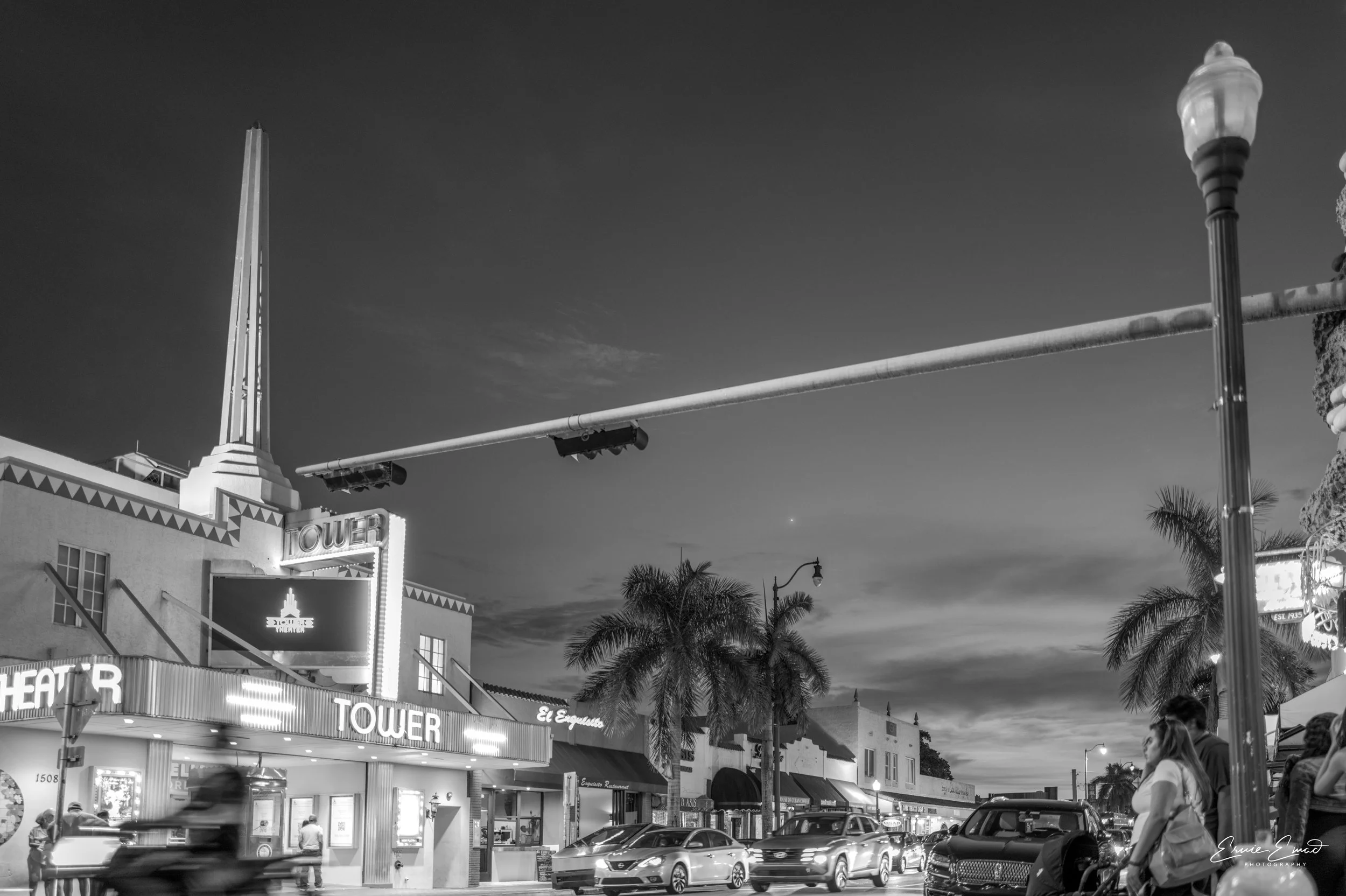
THE PROJECT

THE BEGINNING
My relationship with photography began in the mid-1970's with a Canon AE-1, a gift from my parents, and a roll of black and white film.
Before digital photography made the process almost instantaneous, making a photograph required patience. Film had to be loaded. Light had to be measured. Moments had to be anticipated. And eventually, the photographs came to life in the darkroom.
THE DARKROOM
I built a darkroom at home and learned to develop my own black and white film and make my own prints.
There was something profound about watching an image slowly emerge from a blank sheet of photographic paper.
Those early experiences shaped the way I see photography today.
THE RETURN TO MONOCHROME
Decades had passed since I first watched an image emerge from the chemistry of a darkroom.
Yet somewhere along the way, I had never really stopped seeing in black and white.
I remained a Canon photographer throughout my life. Starting with Analog Film, then DSLR’s and now Mirrorless Cameras. Most recently, I was working digitally, capturing in color and later stripping the images down in Lightroom and Photoshop. I enjoyed the process, but I began to notice something happening almost instinctively.
I wasn’t looking for color.
I was looking for what remained when color was taken away.
As my fascination with street photography grew, so did my desire for a camera that could become part of the experience rather than something I carried through it. The R5 is my professional workhorse and an extraordinary camera, but it was never meant to be invisible on the street.
So I began searching for something smaller. Something more personal.
I spent some time with the Fujifilm X100V, a camera that had become almost synonymous with contemporary street photography. Its compact design and film-inspired recipes brought back something familiar, the character of film, the suggestion of grain, the imperfections that somehow made an image feel more human.
It awakened a memory.
But it also awakened a deeper desire.
I was becoming increasingly serious about street photography, and I could feel my creative direction beginning to take shape.
That path led me to Leica.
I purchased the Leica Q2 Reporter and spent the next twelve months learning to see through it. The Q2 was a remarkable full-frame color camera, but the more I photographed, the more I began to recognize a pattern in my own work.
The Birth of the Leica Q3 Monochrom, the beginning of MONOCHROME MIAMI an ONLY IN MIAMI EXPERIENCE that takes you into the world of Black & White photography.
Let me take you through the streets of Miami to photograph what most pass by. This immersive, hands-on experience will leave you thirsting for more.
We have more. Explore the workshops, photo walks and bootcamps, available for photographers of all levels and cameras.

The Camera
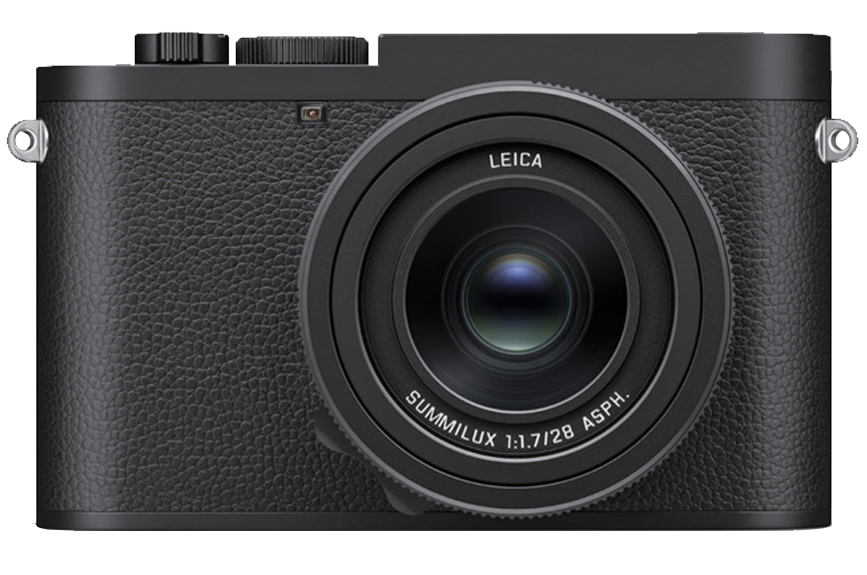
The Leica Q3 Monochrom is the instrument through which this project is being created.
A dedicated monochrome full sensor camera changes the way you approach a scene. Without the possibility of color, the photograph begins with a different question
Where is the light?

“ Photography is nothing, Its life that interests me.”
Henri Cartier-Bressan
WHY MIAMI
Why photograph one of America’s most colorful cities without color
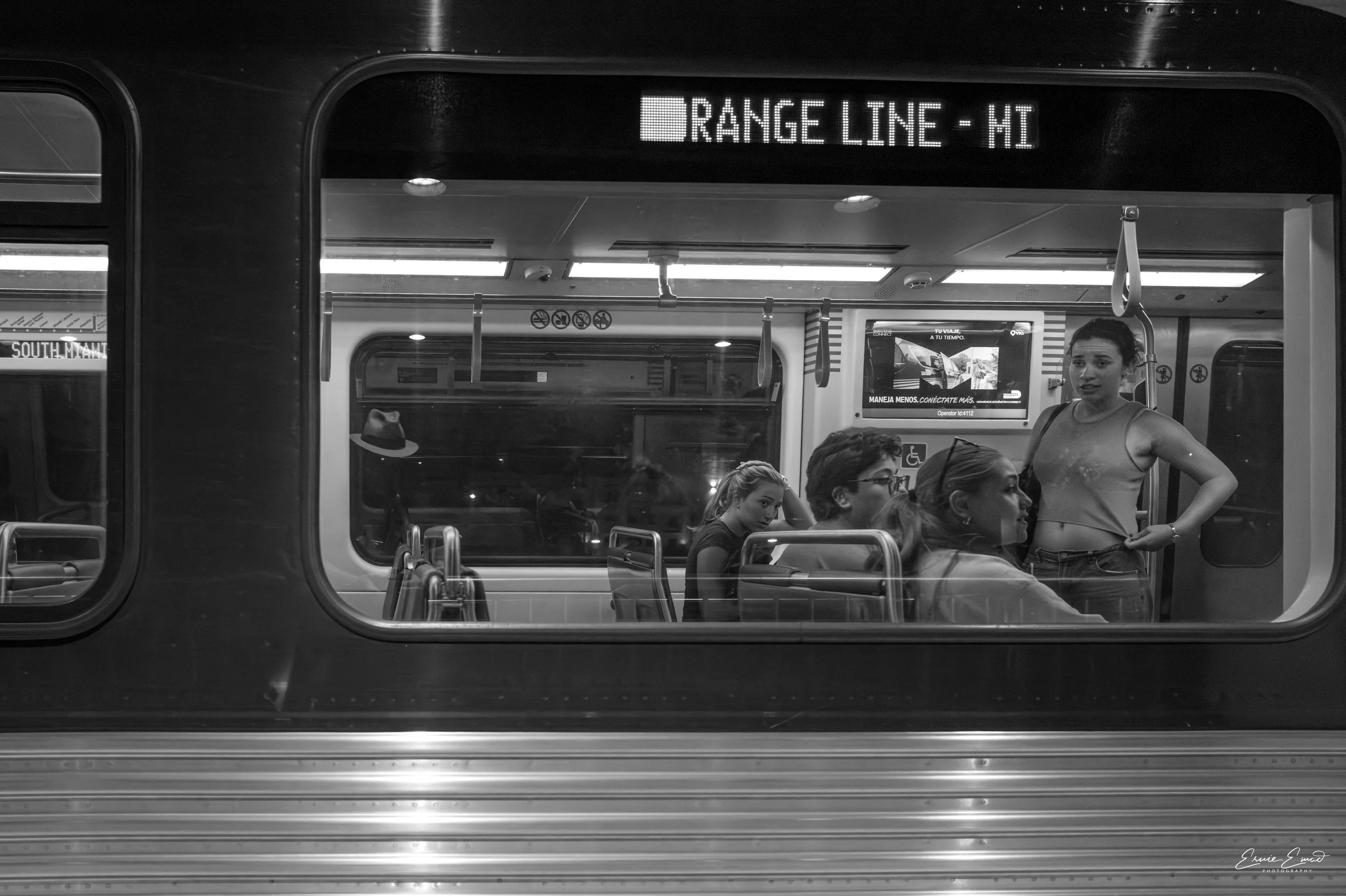

Miami may be one of the most colorful cities in the world, but color can sometimes conceal as much as it reveals.
Black and white removes that distraction. It draws the eye toward light and shadow, form and texture, contrast and expression.
It creates ambiguity.
It slows the moment down.
A person becomes a silhouette. A familiar building becomes something almost abstract. A shadow becomes part of the architecture, A passing stranger becomes a character in an unfinished story.
Without color, Miami feels both immediate and timeless. And perhaps that is the real fascination.
Miami is constantly changing, yet somehow remains unmistakably Miami.