
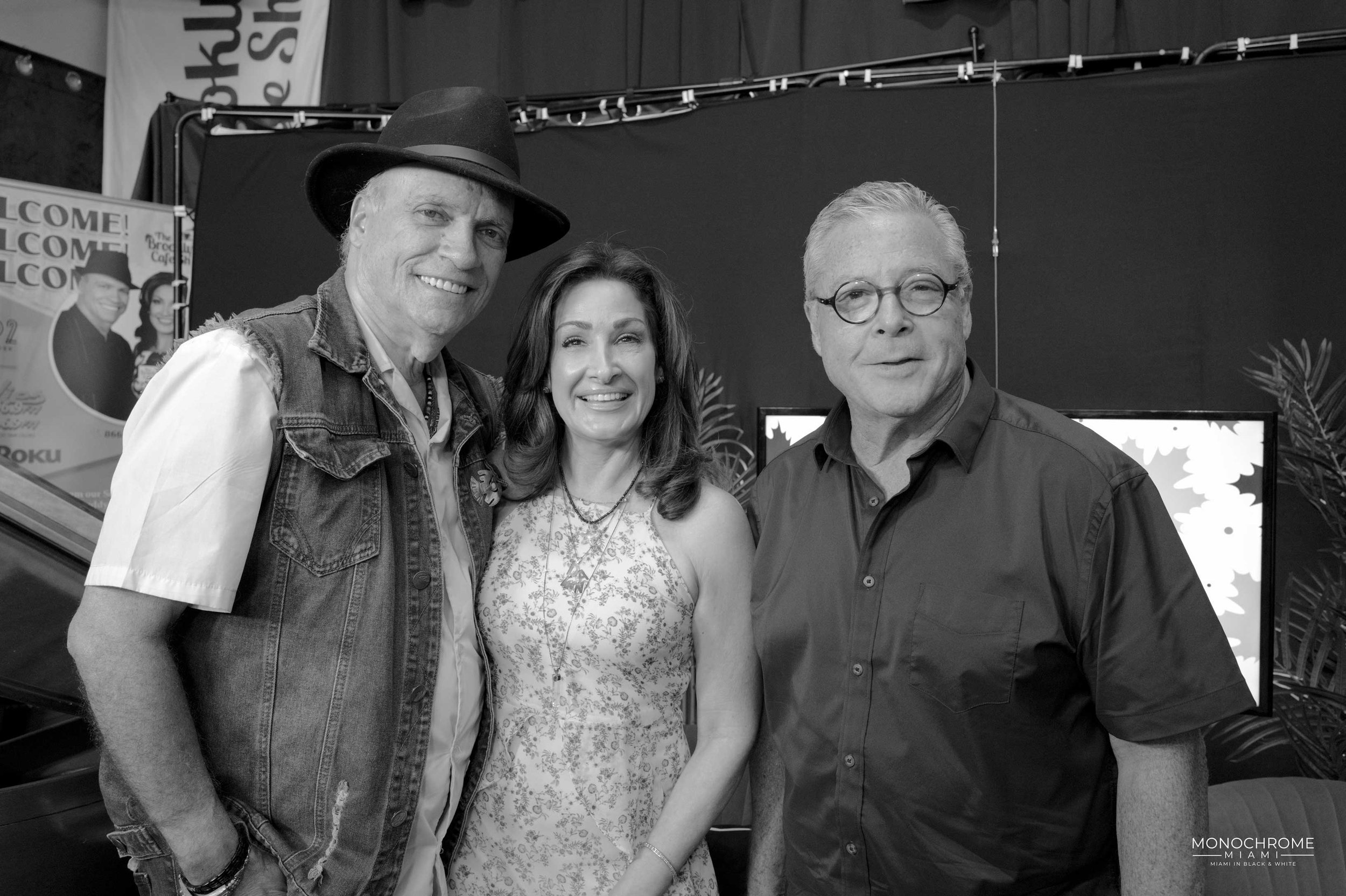
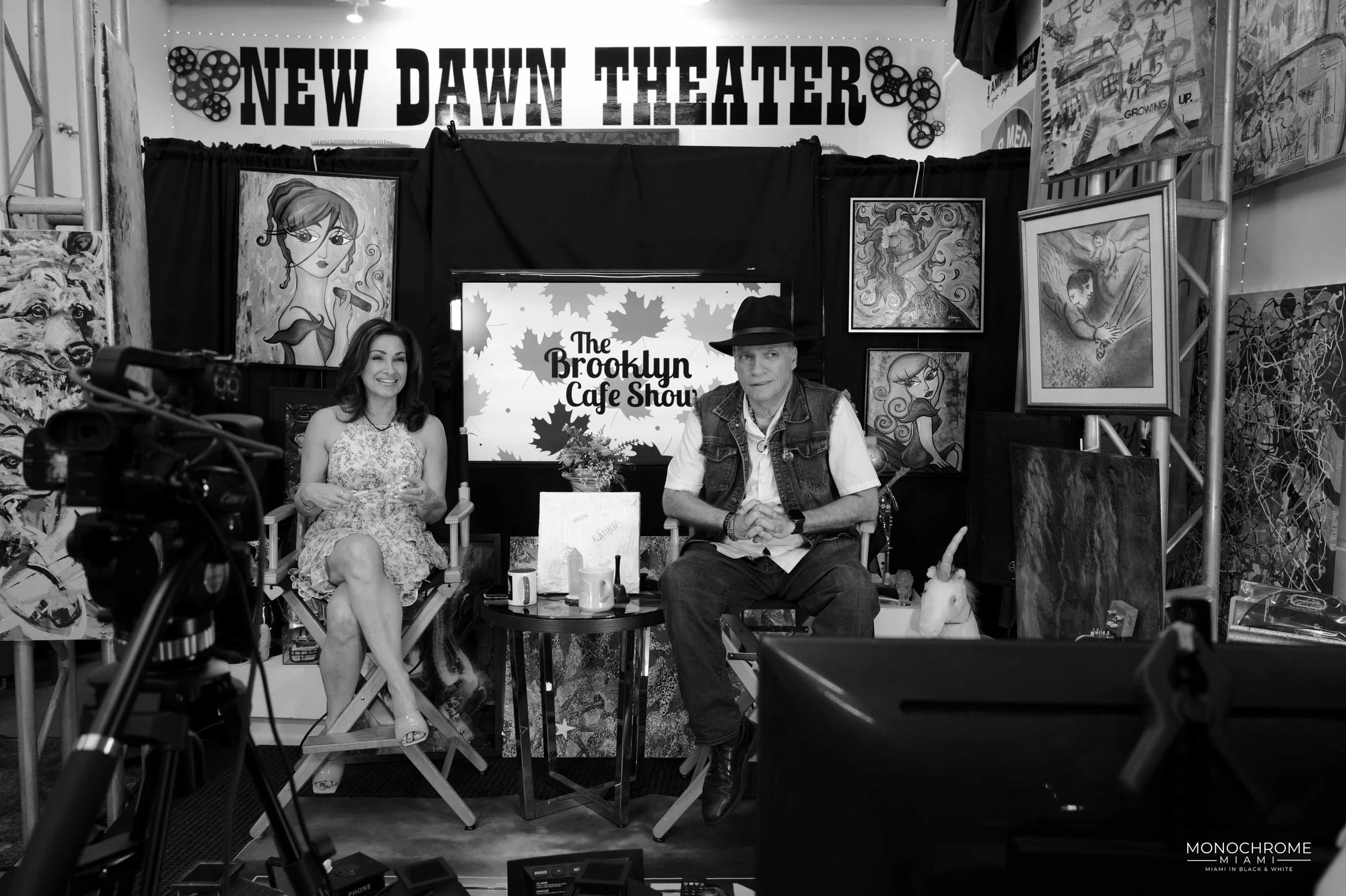
Dawn Graubert and Freddy Santory Host of The Brooklyn Cafe Show with Ernie Emad the photographer behind Monochrome Miami
Seeing Miami differently, one frame at a time.
Recently, I had the opportunity to sit down with the hosts of the Brooklyn Cafe Show to talk about photography, Miami, and the story behind Monochrome Miami.
For me, the conversation was about much more than cameras and photographs. It was an opportunity to talk about why I photograph, why I returned to black and white, and what I hope people discover when they look at Miami through my lens.
WHY MONOCHROME?
I've always believed there is something timeless about black-and-white photography.
My journey began in the mid-1970s with a Canon AE-1 and black-and-white film. I eventually developed my own prints in a home darkroom, learning early on that photography isn't simply about recording what is in front of the camera. It's about deciding what deserves to be seen.
Decades later, I found myself drawn back to monochrome.
Miami is an incredibly colorful city. But when you remove the color, something interesting happens. The distractions disappear, and you begin to notice the things that were there all along—texture, light, shadows, contrast, expressions, architecture and atmosphere.
Black and white doesn't make Miami less interesting.
It reveals a different Miami.
LOOKING BEYOND THE POSTCARD
One of the things I discussed during the interview was my approach to street photography.
I'm interested in more than simply photographing a person.
I want to photograph the environment around that person.
Where are they? What's happening behind them? How is the light falling? What does the architecture say about the moment? What else is happening in the frame?
For me, the environment becomes part of the story.
A photograph can show you a person.
But a photograph can also show you where they are, what surrounds them and what was happening in that moment.
That's what makes street photography so compelling. You never really know what you're going to find.
THE CAMERA
Today, my camera of choice is the Leica Q3 Monochrom.
It's a camera built specifically around the idea of monochrome photography, and for the way I see the world, it makes perfect sense.
But the camera isn't really the story.
The camera is simply the tool.
The real challenge is seeing the photograph before you make it.
Finding the light.
Recognizing the shadow.
Waiting for the right person to enter the frame.
Seeing the geometry.
Noticing something that everyone else walked past.
That's where the photograph begins.
WHY MONOCHROME MIAMI?
Monochrome Miami was born out of my love for the city I've called home for more than six decades.
I've watched Miami evolve, change and reinvent itself countless times. It's a city that is constantly moving forward while somehow retaining the character that makes it unique.
I wanted to photograph the Miami that exists beyond the postcard.
Not just the beaches, palm trees and beautiful sunsets, but the people, streets, neighborhoods, architecture, shadows and unexpected moments that make Miami the Magic City.
Strip away the color and you begin to see another side of the city.
A quieter side.
A more mysterious side.
Sometimes a more honest side.
That's the Miami I want to discover—and rediscover.
FROM BUSINESS TO PHOTOGRAPHY
During the interview, we also talked about the road that brought me here.
Photography wasn't always my full-time pursuit. After a long career in the yachting business, I made a significant lifestyle change.
It was a decision to put more emphasis on life outside of work and, particularly, spending time with family.
That transition ultimately created the space to return to something that had been part of me for decades.
Photography.
What started as a personal passion has grown into something much larger.
Today, Monochrome Miami isn't simply a collection of photographs. It's becoming a way to invite other people into the experience.
EXPERIENCE MIAMI DIFFERENTLY
That is the idea behind Monochrome Miami Photographic Experiences.
I don't want to create another conventional Miami tour.
I want to take people into the streets and show them how I see the city.
We'll look for light and shadow. We'll explore the environment. We'll photograph people, architecture and those unexpected moments that seem to happen around every corner.
And you don't have to be a professional photographer.
You don't even need a Leica.
Bring your mirrorless camera, DSLR or smartphone.
What matters most is your willingness to look differently.
Because the goal isn't simply to go home with photographs.
The goal is to go home seeing Miami differently.
THE HUMAN SIDE OF THE JOURNEY
The conversation also gave me an opportunity to mention another project that I'm developing: The Human Negative.
It's a monochrome portrait project focused on people and the stories that exist in a face, an expression or a fleeting moment.
It's another extension of the same fascination that drives Monochrome Miami—the idea that when you remove the distraction of color, you can concentrate on what really matters.
The person.
The expression.
The emotion.
The moment.
It's a project that I'm excited to continue developing alongside Monochrome Miami.
WHAT COMES NEXT
Monochrome Miami is still evolving.
The photographs are continuing.
The photographic experiences are growing.
And the long-term goal remains the same: to create a body of work that documents my journey through Miami and eventually brings it together in a coffee-table book, Monochrome Miami Vol. 1.
For me, this isn't simply about making photographs.
It's about documenting a city I've known for more than 60 years while continuing to discover things I've never seen before.
Because that's the wonderful thing about Miami.
You can think you know it.
Then you turn a corner.
The light changes.
Someone walks into the frame.
And suddenly, there's a photograph.
SEE MIAMI DIFFERENTLY
I'm grateful to the Brooklyn Cafe Show for giving me the opportunity to talk about the story behind Monochrome Miami and the journey that brought me back to the camera.
But the best way to understand what I'm trying to create isn't by listening to me talk about it.
It's by experiencing it.
Whether you're visiting Miami, you've lived here your entire life, or you're simply looking for a different way to explore the city, I'd love to have you join me on the streets.
Don't just visit Miami. Photograph it.
Explore the galleries, discover the photographic experiences, and follow the journey at:
See the city. Find the moment. Make the photograph.
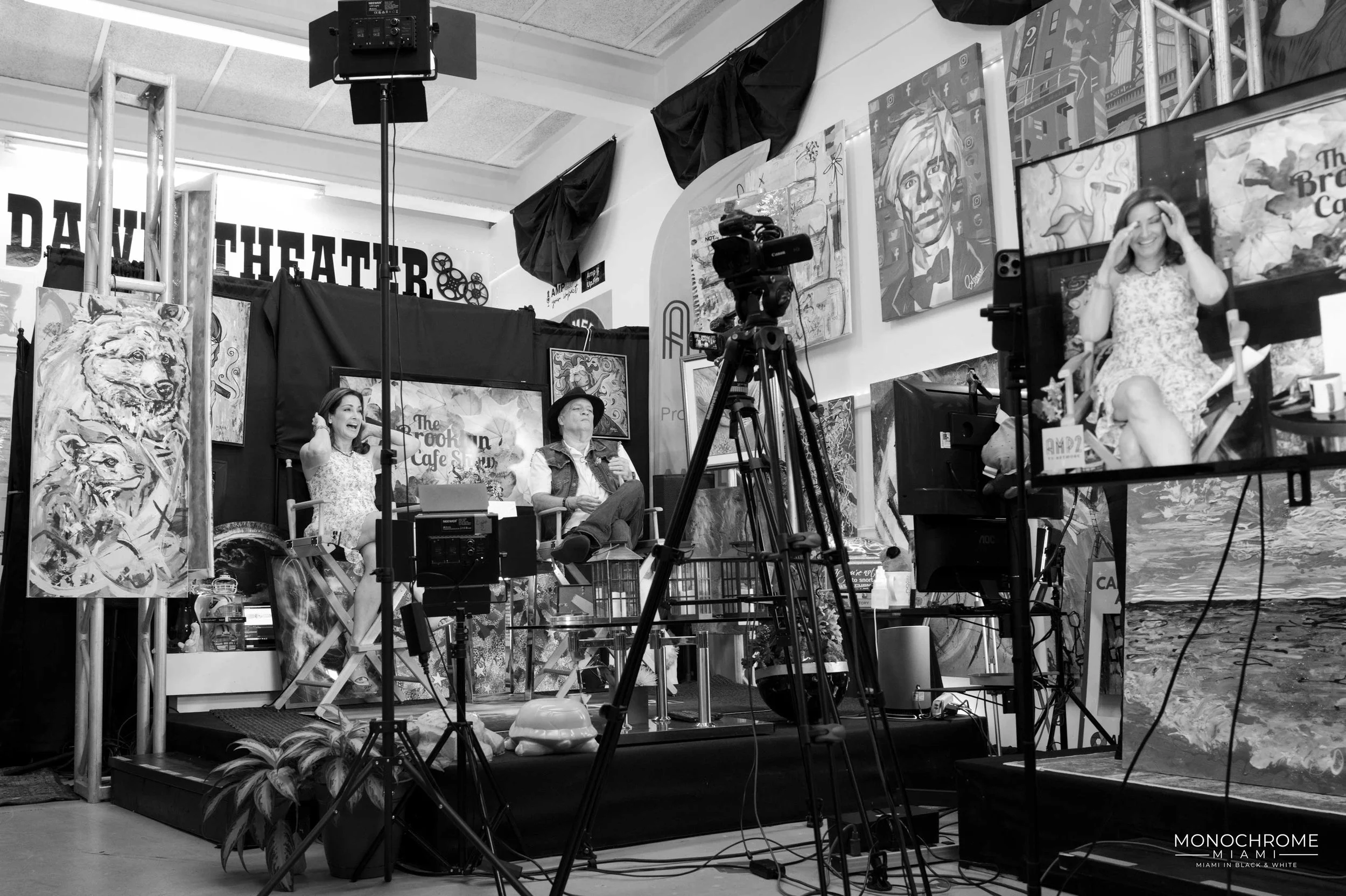
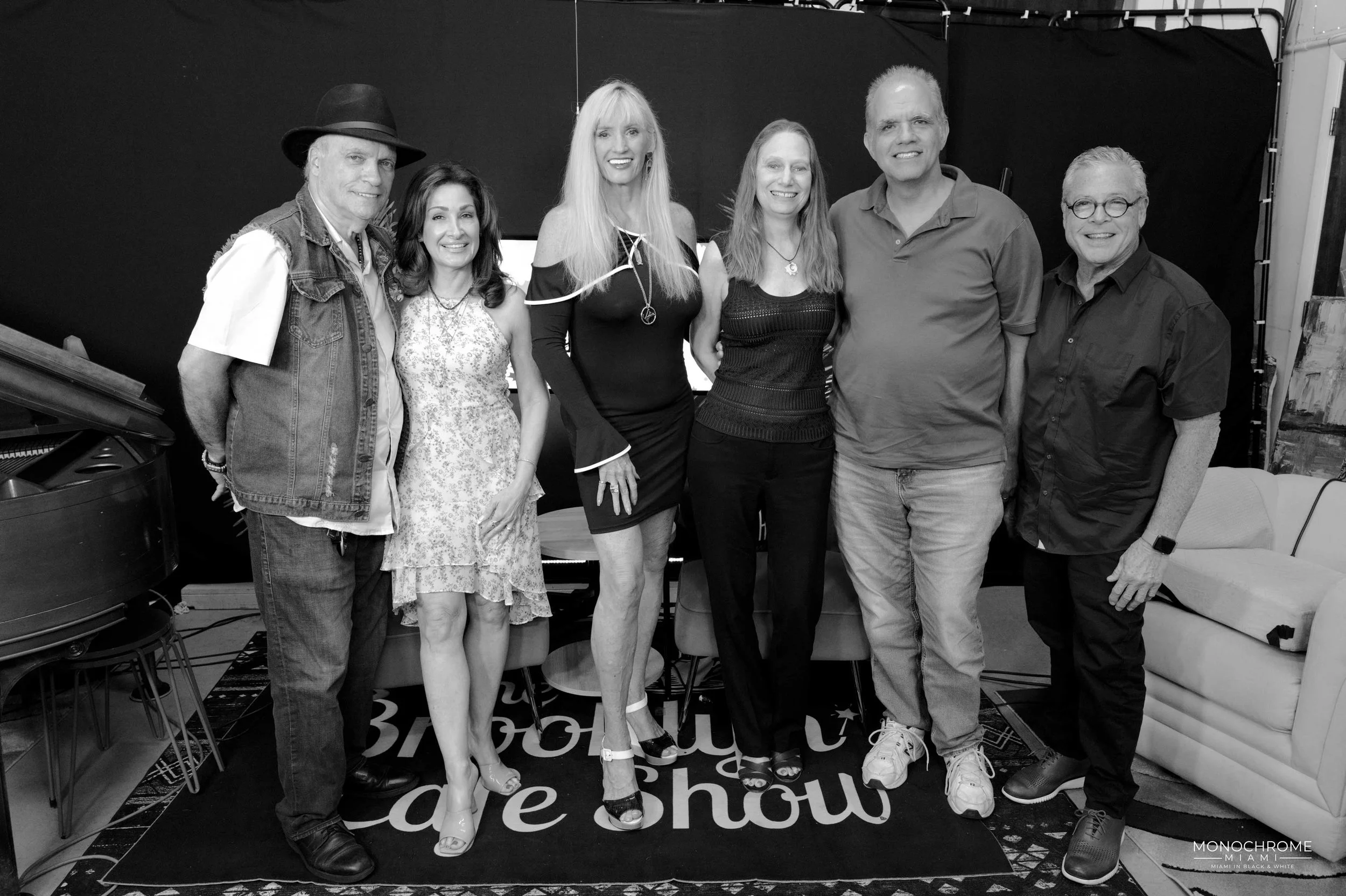
Watch the Episode that features The Photographer Behind Monochrome Miami